
The 80th anniversary of the Constitution’s promulgation and the Article 9 debate The year 2026 marks the 80th anniversary of the promulgation of the Constitution of Japan. Every year on Constitution Memorial Day, May 3, rallies and symposia are held across the country, where advocates of preserving the existing Constitution (gokenha) and constitutional revisionists (kaikenha) engage in passionate debate over the Constitution of Japan, particularly Article 9. Surprisingly, however, there is no sufficient consensus on who actually initiated Article 9. In fact, the current scholarship based on academic research understands that General Douglas MacArthur presented the original draft of Article 9. Nevertheless, looking at posts on social media and other platforms—and even among some scholars—there are an astonishing number of misunderstandings regarding the drafting process of Article 9. The “Shidehara Kijuro Initiative Theory” has become widely disseminated and remains deeply ingrained. This “Shidehara Initiative ...
[Read more]
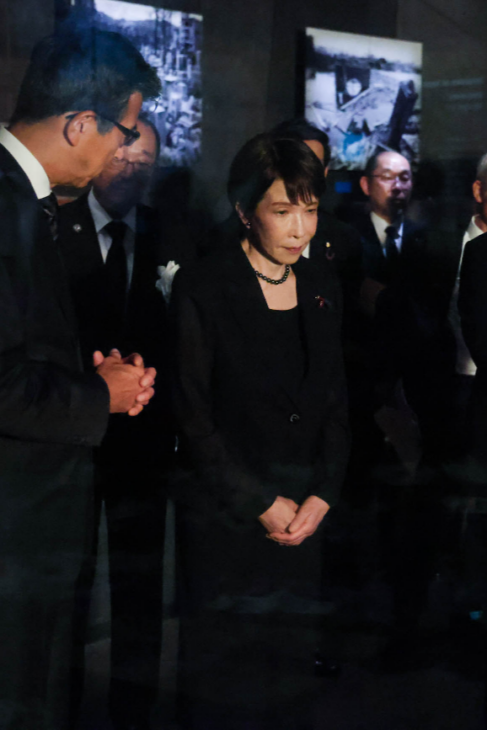
The NPT Review Conference concluded without adopting a final document. The tense relationship between the ideal of the NPT norms—which mandate nuclear disarmament and non-proliferation—and the reality of national security, which compels reliance on nuclear deterrence, is making consensus building ever more difficult. Deepening polarization between nuclear-weapon states and non-nuclear-weapon states is undermining the central cohesive force of the conference. In several instances, the successive dilution of the draft final document itself made reaching agreement even more challenging. Japan finds itself caught in a dilemma between its commitment to promoting the NPT and the need to safeguard its own security posture. The 11th Review Conference of the Parties to the Treaty on the Non-Proliferation of Nuclear Weapons (NPT)—hereinafter referred to as the NPT Review Conference—held in April and May 2026, opened under an acute sense of urgency to avoid a third consecutive failure to ...
[Read more]

“Youth Conservatization” Discussed from Both Left and Right In recent years, there has been a surge of media coverage and commentary surrounding youth and politics. Among these topics, “conservatization” is by far the most popular. High support among young people for political parties such as Sanseito[1] and for the Takaichi Sanae administration is often discussed with surprise or a sense of crisis, sparking various speculations regarding the underlying reasons. Explanations range from arguments that youth have become more submissive to authority to claims that they simply do not study history. On the other hand, critics argue that raising such concerns is itself a biased perspective held by the left (or the old media). This represents one typical scene in recent political discourse. This discussion has also spilled over into the realm of education, where the influence of conservative educational reforms is sometimes cited. Recent ...
[Read more]
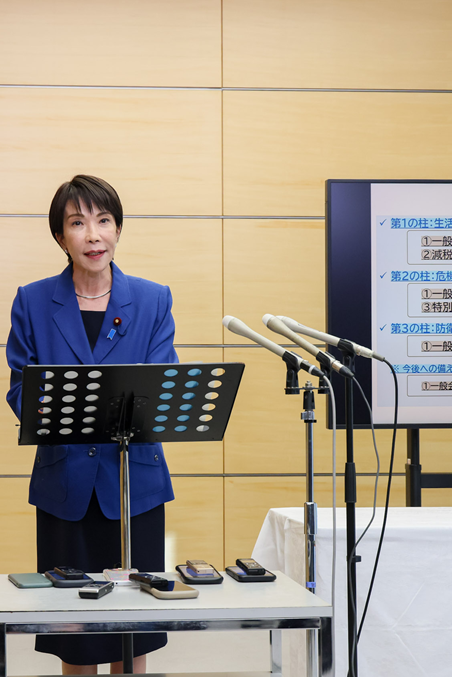
Is the current overheating of the Japanese economy a temporary enthusiasm, or is it a manifestation of structural change? Voice spoke with Professor Itoh Motoshige about the course of the Japanese economy in an era of exiting deflation and navigating the AI revolution. An “Exit Bonus” Supporting the Japanese Economy There is no doubt that the Japanese economy, and indeed the global economy, is currently reaching a major turning point. In Japan, an era of deflation continued for more than two decades starting from the early part of this century. While there were various underlying factors behind deflation, as a result, companies became extremely reluctant to invest, wages failed to rise, and consumer spending stagnated accordingly. Since the COVID-19 pandemic, however, that situation has been changing significantly. The Japanese economy has gradually transitioned from a deflationary environment to an inflationary one. Rather than being ...
[Read more]
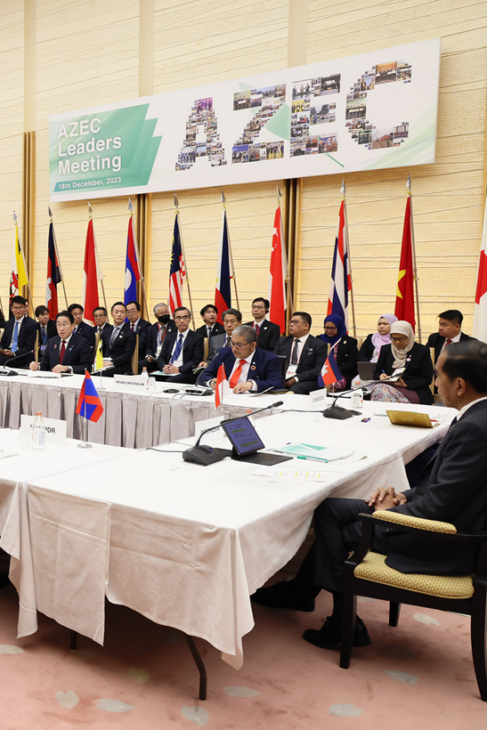
The Asia Zero Emission Community (AZEC) serves as a framework for cooperation among environmentally like-minded Asian nations. The key to the success of this framework lies in designing highly transparent institutional systems and fostering the trust required to mobilize private investment. AZEC should simultaneously pursue decarbonization, economic growth, and energy security. The ties that bind AZEC stem from a bundle of policy implementations, including infrastructure, institutional frameworks, finance, and human resource development. What is required of Japan is to engage with Asian AZEC members through “non-forcing” collaboration—offering inclusive partnerships without demanding binary choices. The global order is moving around two distinct forms of “autonomy.” The first is the effort by advanced democracies—such as European nations and Canada—to reinforce their own foundations in security, industry, technology, and finance, even while still requiring US power. The second is the movement among Global South countries to avoid ...
[Read more]
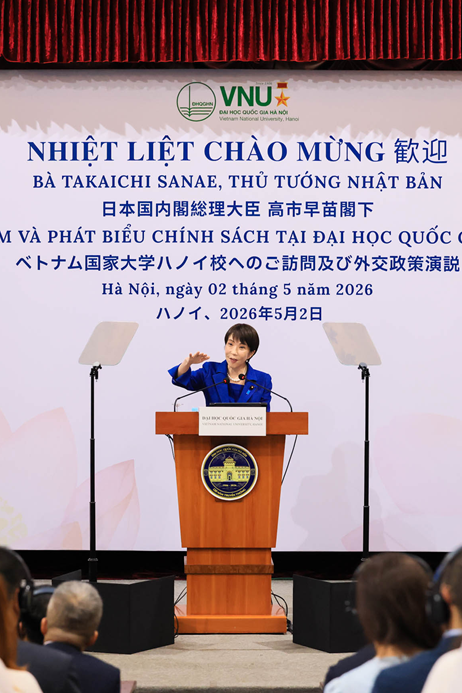
Ten years have passed since then-Prime Minister Abe Shinzo first proposed the Free and Open Indo-Pacific (FOIP) vision in 2016. Connecting the United States, Japan, Australia, India, and ASEAN nations, FOIP has evolved into a framework aimed at regional stability and prosperity, grounded in the rule of law and free economic activity. Meanwhile, the environment surrounding the Indo-Pacific has shifted dramatically, marked by intensifying geopolitical competition and the fragmentation of supply chains. In May 2026, Prime Minister Takaichi outlined a direction to further evolve FOIP, positioning “autonomy” and “resilience” as its new central pillars. On May 2, 2026, during her visit to Vietnam, Prime Minister Takaichi Sanae delivered a major foreign policy speech at Vietnam National University, Hanoi, centered on the theme of an updated “Free and Open Indo-Pacific (FOIP).” This year, 2026, marks exactly a decade since Prime Minister Abe Shinzo announced the ...
[Read more]
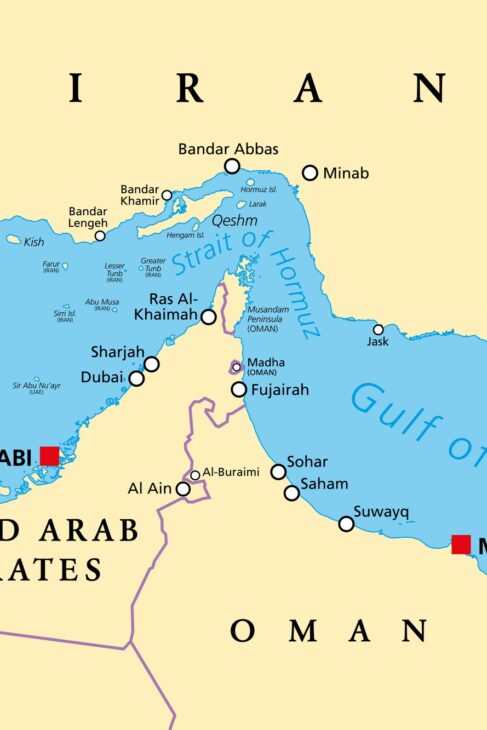
“The world is facing the largest energy crisis in history.” Fatih Birol, Executive Director of the International Energy Agency (IEA), issued this warning during the initial phase of the crisis, when Iran launched its de facto blockade of the Strait of Hormuz. It was by no means an exaggeration. Although some countries increased production and expanded transport via alternative routes, approximately 10% of the global crude oil supply was lost in March 2026 when the crisis began, and the situation has remained volatile ever since. Naturally, the impact has also extended to petroleum products, liquefied natural gas (LNG), and other energy resources. As early as March 11, the IEA announced a coordinated release of 400 million barrels of oil reserves. The volume released was the largest in history, more than double the amount released during the Russian invasion of Ukraine. This demonstrated just how ...
[Read more]
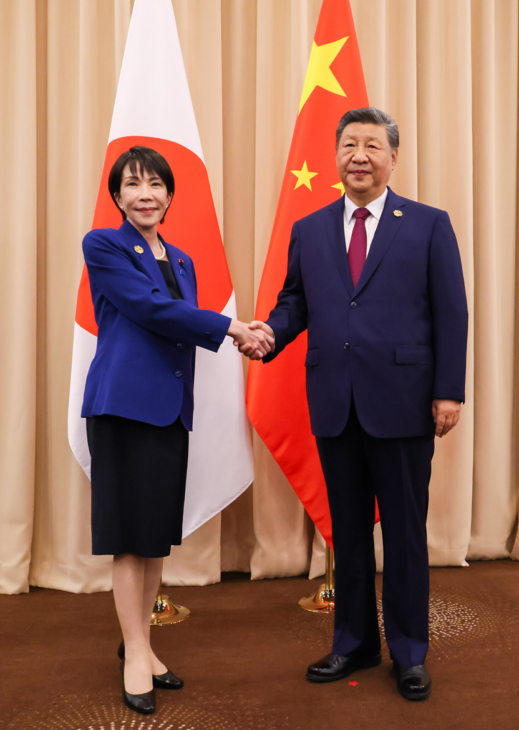
China has released a trade restriction list explicitly naming Japanese companies, schools, and other entities. How should we interpret the meaning of this rule “change” by China, and how should Japan respond? Professor Watanabe Mariko provides her analysis. Moving from economic coercion as a message toward legal regulation China has been establishing its system of security exceptions since 2020 The playing field is shifting to legal systems, which conversely will weaken the basis for economic coercion On February 24, 2026, China placed twenty Japanese companies, institutions, and organizations—including the National Defense Academy of Japan and several research institutes—on the Entity List (trade restriction list) established under its Export Control Law. In addition, China placed a further twenty Japanese companies and universities on a “watch list,” an instrument it applied for the first time. It is dangerous to view this as “merely a measure targeting ...
[Read more]
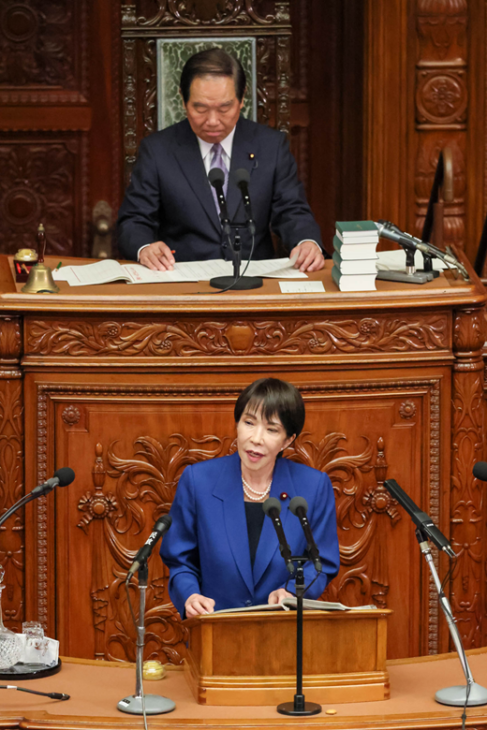
The international community is being tossed about by the actions of US President Donald Trump, including the attacks on Iran. Amidst this chaotic international situation, the Japan–US alliance, the axis of Japanese diplomacy, stands at a major crossroads. Six months after she took office, how should we evaluate the diplomacy of Prime Minister Takaichi Sanae? And where should Japanese diplomacy head from here? The Bungeishunju editorial department spoke with Nakanishi Hiroshi, a professor at the Graduate School of Kyoto University specializing in international politics, who served as an expert member of the Advisory Panel on Reconstruction of the Legal Basis for Security established under the Abe Shinzo administration. The year 2026 opened with astonishing news as the United States launched a military operation in Venezuela, detaining President Maduro and his wife. At the end of February, a large-scale attack on Iran was carried out, ...
[Read more]


